

Nexus Neuropsychiatry PLLC
(585) 460-9835
MON – FRI: 10am – 7:00pm
SAT – SUN: Closed
*By Appointment Only
Share Article
Article medically reviewed by Dr. Shane Stegen of Nexus Neuropsychiatry PLLC
Depression doesn't always improve with standard treatment. You may have tried several medications, changed doses, added something else, stayed in therapy, and still feel stuck. That's frustrating, and a lot of people end up in exactly this spot. Things are changing though. One of the newer options is Spravato, a nasal spray that works differently than the antidepressants most people have tried. Here's what it is, how it works, and who might want to talk with a psychiatrist about it.
Spravato® Quick Summary
A targeted, in-office prescription nasal spray designed to stimulate new neural pathways when standard oral antidepressants haven't brought relief.
-
What it is
An FDA-approved esketamine nasal spray administered self-guided in a certified clinical office under medical observation.
-
How it works
Blocks NMDA receptors in the glutamate pathway to prompt neuroplasticity and help mood-regulating brain circuits communicate more effectively.
-
Protocol & side effects
Requires a ~2.5-hour visit with 2 hours of post-dose monitoring for sedation, dissociation, and blood pressure changes, plus a prearranged ride home.
-
Who it's for
Adults with treatment-resistant depression (typically failing 2+ antidepressants) or MDD with acute suicidal ideation/behavior, paired with an oral antidepressant.
Every patient starts with a psychiatric evaluation to review history, assess medical conditions (such as blood pressure and vascular health), and coordinate REMS program clearance.
So What is Spravato?
Spravato is the brand name for esketamine, a prescription nasal spray. Esketamine is closely related to ketamine, a medication used for decades as an anesthetic. It's one of the two mirror-image forms of the ketamine molecule. Spravato is very different from the oral antidepressants most people know, not only because it’s a different mechanism but also it's given in a medical setting instead of taken at home. If you've been through a few medication changes, that difference may be the point. A treatment that works through a different pathway has a chance of helping where the others didn't, although nothing guarantees that.
The FDA has approved Spravato for two uses in adults. The first is treatment-resistant depression, either on its own or together with an oral antidepressant. The second is depressive symptoms in adults with major depressive disorder who have acute suicidal ideation or behavior, along with an oral antidepressant.[1]
How does Spravato work?
Many traditional antidepressants act mainly on serotonin, norepinephrine, or dopamine. Spravato acts on the glutamate system, the brain's main excitatory signaling system, by blocking a type of glutamate receptor called the NMDA receptor.[1] One leading idea is that this shift in signaling helps brain cells form new connections and helps the circuits involved in mood work better. Researchers call that neuroplasticity, and it's a familiar theme in interventional psychiatry, where many treatments target how brain circuits communicate.
Who might benefit from Spravato?
Spravato is for adults with treatment-resistant depression, which means depression that hasn't improved enough after trying other treatments. In the studies, that usually meant not responding to at least two antidepressants. If that sounds like you, it may be worth a conversation.
Whether Spravato is appropriate comes down to a psychiatric evaluation. We look at your symptoms, your treatment history, your current medications, your medical conditions (high blood pressure and certain vascular conditions matter here), and your goals. Two people with similar depression can end up with different plans, and that's how it should be.
What does Spravato Treatment Involve?
What a Spravato Visit Looks Like
Spravato cannot be taken home. It is only available through certified healthcare settings under the FDA's REMS safety program. [1]
-
Consultation
A consultation and assessment come first.
-
Insurance approval
After insurance approval, we schedule your treatment visit.
-
Treatment visit
You use the nasal spray device yourself in our office while our staff observe.
-
Monitoring
You are monitored for at least two hours, because sedation, dissociation, breathing changes, and higher blood pressure can occur. [1]
-
Heading home
You need a ride home. Do not drive or do anything that requires full alertness until the next day, after a restful night's sleep.
Treatment typically follows a schedule of twice a week at first, then less often depending on how you respond, so follow-up appointments matter.
It starts with a consultation and assessment. After insurance approval we schedule you for a treatment visit. During this visit you receive the nasal spray in our office, using the device yourself while our staff observe. You're then monitored for at least two hours after each treatment, because sedation, dissociation, breathing changes, and increases in blood pressure can occur. That's why Spravato can't be taken home and is only available through certified healthcare settings under the FDA's REMS safety program.[1]
You'll also need a ride home, and you shouldn't drive or do anything that requires full alertness until the next day after a restful night's sleep. Treatment typically follows a schedule of twice a week at first, then less often depending on how you respond, so follow-up appointments matter. Plan on at least two and a half hours at the office each time.
Potential Benefits and Side Effects
What One Head-to-Head Trial Found
Remission at eight weeks in treatment-resistant depression. Results vary from person to person. [2]
- 27.1% of people taking esketamine plus an SSRI or SNRI reached remission.
- 17.6% of people taking extended-release quetiapine plus an SSRI or SNRI reached remission.
In a relapse-prevention study, people who improved and stayed on Spravato had fewer relapses than people switched to placebo, which is why treatment often continues beyond the first weeks. [3]
Bars show each percentage out of 100%. Some people notice improvement within days, others take longer, and some do not improve.
Some people notice improvement within days. Others take longer, and some don't improve. In one head-to-head trial in treatment-resistant depression, 27.1% of people taking esketamine plus an SSRI or SNRI reached remission at eight weeks, compared with 17.6% taking extended-release quetiapine plus an SSRI or SNRI.[2] Results vary from person to person. In a relapse-prevention study, people who improved and stayed on Spravato had fewer relapses than people switched to placebo, which is why treatment often continues beyond the first weeks.[3]
Common side effects include dizziness, nausea, dissociation (a feeling of being disconnected from yourself or your surroundings), sedation, and a temporary rise in blood pressure.[1] Not everyone has all of them, and they usually ease within the hours you are in our office. Monitoring is part of the treatment itself.
How Spravato Fits Into Interventional Psychiatry
Spravato is one of several treatments in interventional psychiatry.
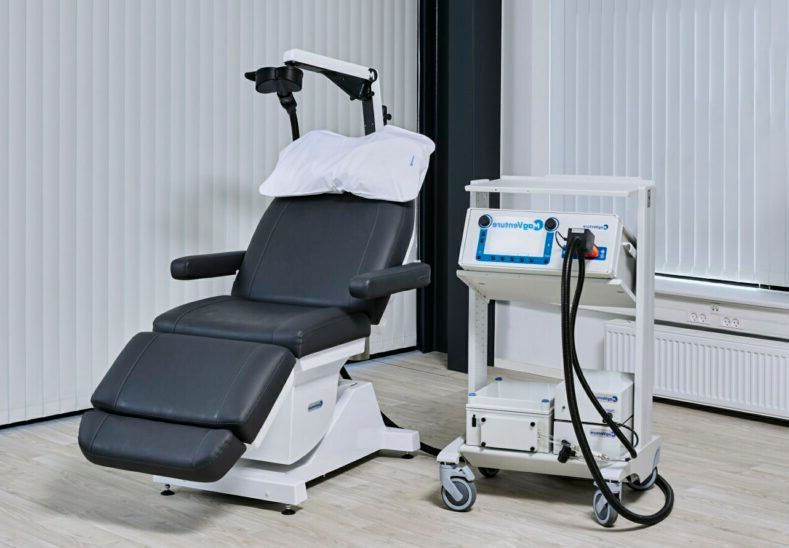
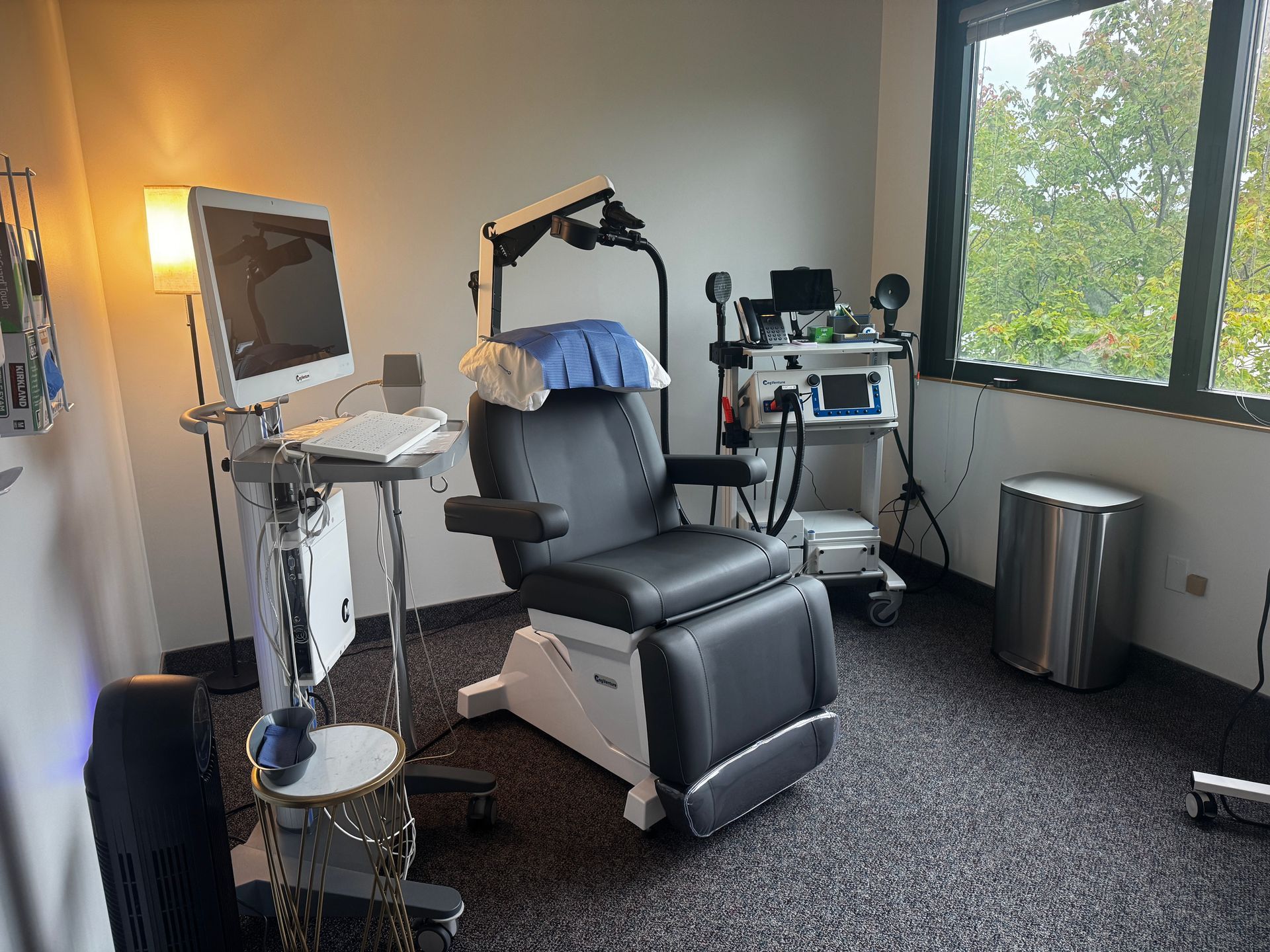
TMS therapy
uses magnetic pulses to stimulate specific areas of the brain and involves no medication. IV ketamine is given through an IV and is used off-label for depression. These treatments work differently and have different eligibility criteria, protocols, and practical demands. No one of them is best for everyone. The right choice depends on your history, your preferences, and your goals.
Is Spravato Worth Exploring?
If you've tried several treatments and still don't have the relief you hoped for, Spravato may be worth discussing with a psychiatrist. It's an option, and nobody has to choose it. Ask questions, and go over the benefits, the risks, and the alternatives. Good ones include how Spravato fits with your current medications, what the schedule would look like around your job and family, and what happens if it doesn't help. Contact Nexus Neuropsychiatry in Rochester, NY to schedule a consultation.
Individual results vary, and Spravato is not appropriate for everyone. Spravato (esketamine) is available only through certified healthcare settings under the FDA's REMS program. IV ketamine is used off-label for depression and other psychiatric conditions. While a large body of research supports its use, it has not received FDA approval for these indications.
References
- SPRAVATO (esketamine) nasal spray, CIII. Full prescribing information. Janssen Pharmaceuticals, Inc.
- Reif A, Bitter I, Buyze J, et al. Esketamine nasal spray versus quetiapine for treatment-resistant depression. N Engl J Med. 2023;389(14):1298-1309.
- Daly EJ, Trivedi MH, Janik A, et al. Efficacy of esketamine nasal spray plus oral antidepressant treatment for relapse prevention in patients with treatment-resistant depression: a randomized clinical trial. JAMA Psychiatry. 2019;76(9):893-903.