


Share Article
TMS Therapy for Anxiety, At a Glance
- What It Is A non-invasive, outpatient treatment that delivers magnetic pulses to mood-regulating areas of the brain. No sedation, no anesthesia.
- FDA Status Cleared for treatment-resistant depression (2008) and OCD (2018). Not yet FDA-approved as a stand-alone anxiety treatment.
- Why It Helps Anxiety Anyway Anxiety and depression often occur together. Patients treated for depression with significant anxiety symptoms may see improvement in both.
- What Treatment Looks Like A series of sessions, several times a week over several weeks. Each session runs about 5 to 30 minutes, and you can drive yourself home after.
Research on TMS specifically for generalized anxiety disorder is still developing. A candid conversation with your provider about what the evidence does and does not show is the right next step before starting treatment.
If anxiety has been running the show in your life and it doesn't let up no matter what you try, you may have come across TMS therapy for anxiety while looking for a next step. Transcranial magnetic stimulation, or TMS, is best known as a treatment for depression, but many people living with anxiety, especially anxiety that shows up alongside depression, want to know whether it could help them too.
At Nexus Neuropsychiatry, we specialize in interventional psychiatry for patients across the Greater Rochester region, and TMS is one of the core therapies we offer. Here is what the research actually says about TMS and anxiety, how the treatment works, and how to think about whether it is worth exploring for you.
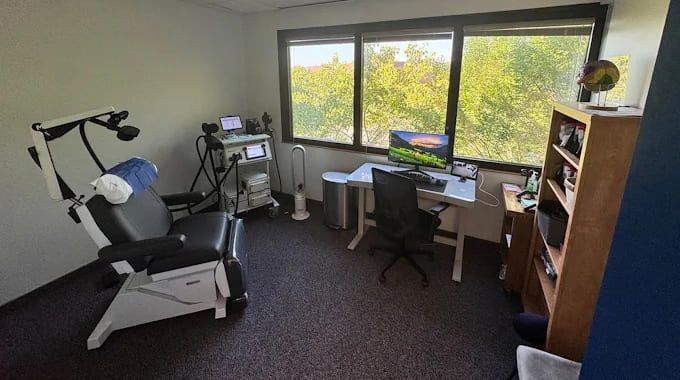
What Is TMS Therapy?
TMS is a non-invasive, outpatient treatment. During a session, a technician places an electromagnetic coil against your scalp, and the coil delivers magnetic pulses to the part of the brain involved in mood regulation. There is no sedation and no anesthesia. You are awake throughout the appointment and can drive yourself home afterward.
TMS has been FDA-cleared for treatment-resistant depression since 2008 and for obsessive-compulsive disorder since 2018, according to both the
Anxiety and Depression Association of America and
Mayo Clinic. You can read more about how we offer
TMS therapy at Nexus Neuropsychiatry and who it is typically recommended for.
Can TMS Help with Anxiety?
Anxiety and depression frequently occur together, a combination sometimes called anxious depression. Because TMS is FDA-cleared for depression, patients being treated for depression that includes significant anxiety symptoms may notice improvement in both areas as treatment progresses.
It is worth being direct about where the research currently stands. TMS is not yet FDA-approved as a stand-alone treatment specifically for generalized anxiety disorder. A 2019 literature review published in Neuropsychiatric Disease and Treatment looked at the available studies on TMS and anxiety and found the number of dedicated studies still fairly limited, while noting that the results so far point to TMS as a viable option worth continued research. In other words, there is real scientific interest here, but it is still an evolving area rather than a settled one. Anyone considering TMS for anxiety symptoms should have a candid conversation with their provider about what the evidence does and does not currently show.
How TMS Is Thought to Work
TMS targets the prefrontal cortex, an area of the brain tied to mood regulation that tends to show reduced activity during depression. According to Mayo Clinic, the magnetic pulses appear to stimulate this region and help ease symptoms, though the exact biology behind why TMS works is still being studied. The idea is that by encouraging healthier activity patterns in this part of the brain, TMS can help calm the mood and stress circuits that anxiety and depression both involve.
-
Consultation
You and your provider discuss your symptoms and history to see whether TMS fits your specific situation.
-
A Tailored Plan
Your provider builds a session schedule around you rather than a single fixed protocol.
-
A Series of Sessions
Sessions run several times a week over a period of weeks, each lasting about 5 to 30 minutes. No sedation, and you can drive yourself home after.
-
Mild Side Effects
Headache, scalp discomfort, or lightheadedness are the most commonly reported effects, and they tend to lessen as treatment continues.
What to Expect During TMS Treatment
TMS is delivered as a series of sessions, typically administered several times a week over a period of weeks. Individual sessions can run anywhere from about 5 to 30 minutes depending on the specific protocol used, and treatment plans are tailored to each patient rather than following a single fixed schedule.
Side effects are usually mild when they occur at all. The most commonly reported ones are headache, scalp discomfort at the treatment site, and lightheadedness, and these tend to lessen as treatment continues. Because TMS does not require sedation, most patients return to their normal daily activities immediately after each session.
Is TMS Therapy Right for You?
TMS tends to be a good fit for people who have tried other approaches to anxiety and depression without the results they hoped for, who want to avoid adding another medication, or who are simply looking for a non-invasive option to explore alongside talk therapy or medication management. It is not a fit for everyone, and a consultation is the best way to find out whether your specific symptoms and history make you a good candidate.
If you are not sure where your anxiety symptoms currently stand, our
free anxiety assessment is a quick, anonymous way to get a general sense before you come in. It takes just a few minutes and is not a diagnostic tool, but it can be a helpful starting point for a conversation with a provider.
Is TMS a Good Fit for You?
TMS tends to work well for people who recognize themselves in a few of these:
-
You have tried other approaches to anxiety and depression without the results you hoped for.
-
You would rather not add another medication to what you are already managing.
-
You want a non-invasive option to explore alongside talk therapy or medication management.
TMS is not a fit for everyone. A consultation is the best way to find out whether your specific symptoms and history make you a good candidate.
Getting Started in Rochester, NY
Nexus Neuropsychiatry is a physician-owned interventional psychiatry practice serving Rochester and the surrounding Buffalo, Syracuse, Southern Tier, and Finger Lakes regions. Our providers also hold active clinical roles at institutions including the University of Rochester Medical Center, which shapes how we approach care here: the same clinical rigor you would expect from a larger health system, delivered through a personalized treatment plan built around you.
If you would like to talk through whether TMS therapy could help with your anxiety symptoms,
request a consultation and our team will walk you through your options.
Frequently Asked Questions About TMS for Anxiety
Is TMS FDA-approved for anxiety?
Not as a stand-alone treatment for generalized anxiety disorder specifically. TMS is FDA-cleared for treatment-resistant depression and for OCD. Many patients with anxiety symptoms that occur alongside depression see improvement in both areas during TMS treatment for depression, and research into TMS for anxiety directly is ongoing.
Does TMS therapy hurt?
Most patients describe TMS as uncomfortable at most, not painful. You may feel a tapping sensation on your scalp during treatment, and some patients notice mild side effects like headache or scalp discomfort that tend to ease with each session.
How long does TMS treatment take?
Treatment is delivered as a series of sessions over several weeks, with each individual session ranging from about 5 to 30 minutes. Your provider will build a schedule around your specific diagnosis and treatment goals.
Will insurance cover TMS therapy?
Most insurance plans cover TMS for its FDA-cleared uses, though coverage can vary by plan and by diagnosis. Our team can help verify your specific benefits, and we also offer self-pay options and financing through CareCredit for patients without coverage.
Ready to find out if TMS therapy is a good fit for your anxiety symptoms?
Request a consultation with Nexus Neuropsychiatry today.